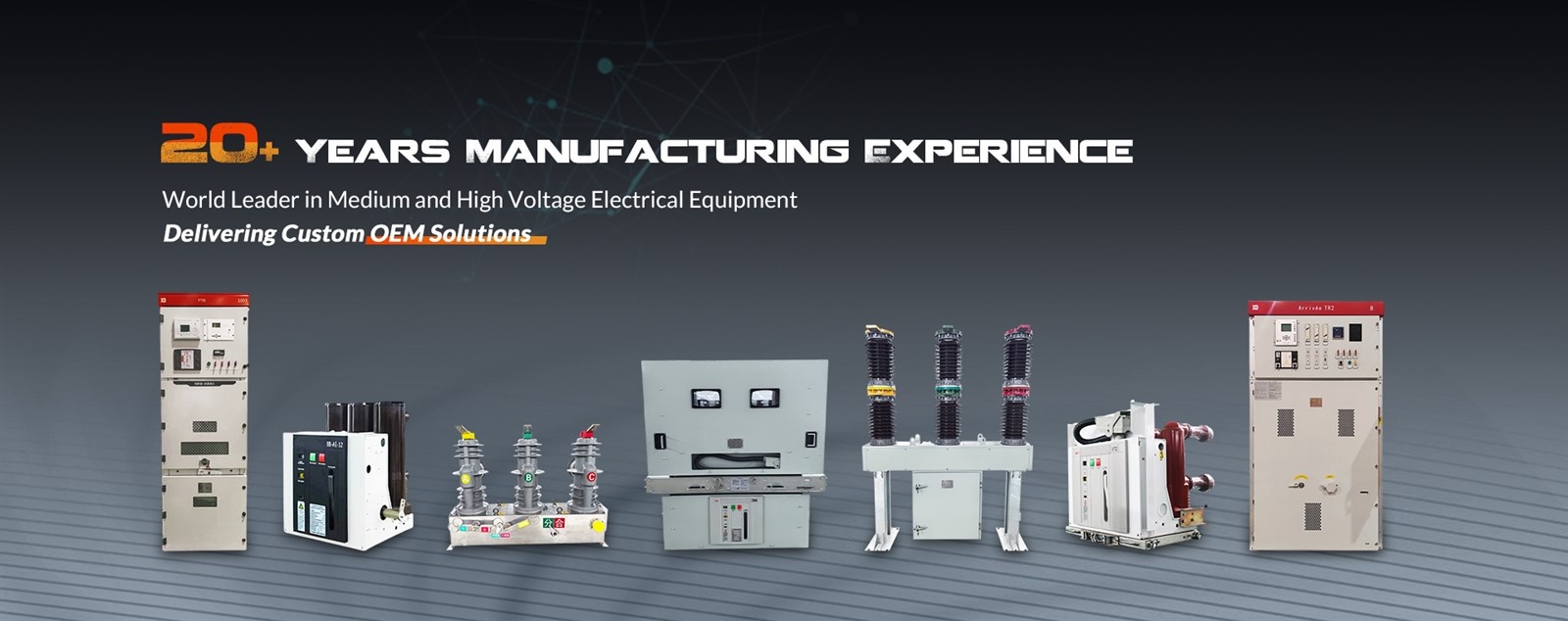

Common power distribution equipment mainly includes the following categories
Switching equipment: Used to control and switch circuits on and off.
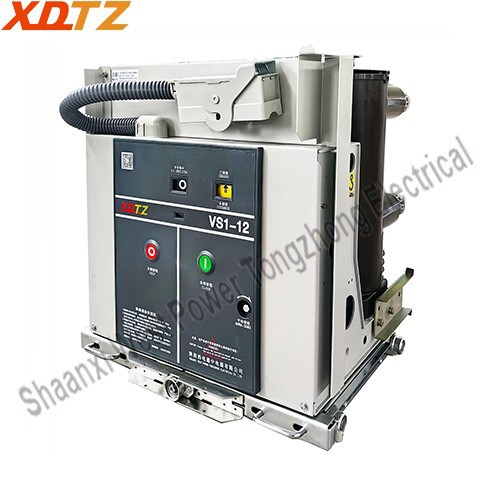
Circuit breaker: Can both switch circuits normally and automatically trip in case of a fault (such as the air switch at your home's entrance).
Disconnecting switch: Primarily serves an isolation function; it has a visible break after disconnection, ensuring safety during maintenance.
Load switch: Can switch circuits on and off under load, but generally does not have short-circuit protection capabilities.
Protective equipment: Specifically used to detect faults and disconnect circuits.
Fuse: Contains a fuse wire; when the current is too high, the fuse melts to protect the circuit (commonly known as a fuse).
Residual current operated device (RCD): Detects leakage current and prevents electric shock (commonly known as a leakage current protection switch or leakage protection device).
Measuring and metering equipment: Monitors voltage, current, power, and electricity consumption.
Electricity meter: Measures how many kilowatt-hours of electricity are used (your home's meter).
Current transformer/voltage transformer: Converts high current and high voltage into smaller signals for instrument measurement.
Power distribution components and complete sets of equipment: Assemble the above components into boxes, cabinets, panels, and platforms.
Distribution box/cabinet: Integrates switches, protection, and measuring components, such as meter boxes in building corridors and low-voltage switch cabinets in factories.
Bus trunking: A type of high-current "transmission busbar" used to connect transformers and distribution cabinets.
Classified by voltage
|
Category
|
Voltage range |
Main function |
Typical Equipment |
|
High-voltage power distribution equipment |
AC 1000 V or higher |
Receiving and distributing medium- and high-voltage electricity |
High-voltage switchgear, ring main units, pole-mounted switches |
|
Low-voltage power distribution equipment |
AC 1000 V or lower |
Ultimately distribute electric power to end users |
Low-voltage switchgear, distribution panels, meter boxes |
Maintenance of Power Distribution Equipment
The maintenance of power distribution equipment follows the core principle of "prevention first, combined with control." A rigorous maintenance system typically includes the following key aspects:
Safety First: The cornerstone of maintenance work and must be strictly adhered to.
Certified Operators: All operators must hold a valid electrician's operating certificate.
Complete Power Disconnection: Before maintenance, the upstream power supply must be disconnected, voltage tested, discharged, and grounded, and a "Do Not Close" warning sign must be displayed.
Personal Protective Equipment: Wear insulated shoes and gloves correctly, use insulated tools, and lay insulated mats in the operating area.
Standardized Operation: When supplying power, proceed from the main distribution box to the sub-distribution boxes; when de-energizing, reverse the process; never use copper or iron wire to replace fuses.
GW4-126 outdoor high voltage isolating switch
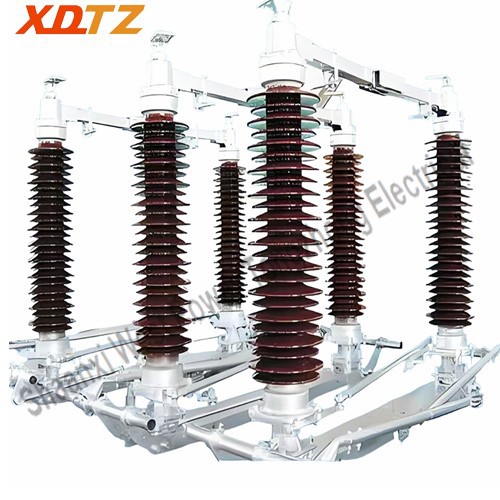
GW4-126 Outdoor High Voltage Isolating Switch is a 3-phase AC high-voltage electrical appliance, used in power systems with a voltage of 40.5, for no-load switching in high-voltage lines, and for electrical isolation between high-voltage busbars, circuit breakers and other electrical equipment under maintenance and energized high-voltage lines.
GW4-126 Outdoor High Voltage Isolating Switch is double-column horizontal rotation. It includes 3 single poles, each pole is a double-column structure, mainly composed of a base and a support insulator. Each pole consists of 2 insulators, which are respectively installed on the bearing seats at both ends and connected by cross-links. It can rotate horizontally within a range of 90°. The conductive part is divided into two halves, which are respectively fixed on the insulator pillars, and the contact is in the middle of the two porcelain pillars. When the mechanism is in motion, one of the pillar insulators rotates 90°, and the other insulating pillar also rotates 90° at the same time due to the connecting rod transmission, and the switch is opened and closed on the same side. In order to ensure the correct operation sequence between the disconnector and the grounding switch, reliable mechanical and electrical interlocking devices are installed on the product and mechanism.
Shaanxi West Power Tongzhong Electrical Co., Ltd.
Our address
No. 1 East Gaoxin Avenue in the High-Tech Development Zone of Baoji City, Shaanxi Province,china
86-18091765882(International Sales Manager Grace liu)
xdtz04@westpowerelectric.com