
The purpose of a transformer tap changer is to adjust the output voltage by changing the transformer's turns ratio . This compensates for voltage fluctuations on the input side or changes in load demand, ensuring stable voltage supply to downstream equipment.
✅ How It Works
A tap changer selects different connection points ("taps") on the transformer winding, changing the effective turns ratio. This directly alters the secondary (output) voltage
| Condition | Action | Principle |
|---|---|---|
| Output voltage too high | Move tap to raise the primary turns | Increases ratio → lowers secondary voltage |
| Output voltage too low | Move tap to reduce the primary turns | Decreases ratio → raises secondary voltage |
📍 Where Are Taps Located?
Tap changers are typically installed on the high-voltage (primary) side of the transformer for practical reasons :
| Reason | Explanation |
|---|---|
| Lower current | Easier to switch and less arcing |
| Accessible winding | HV winding is usually on the outside, making tap connections easier |
| Cost efficiency | Smaller, less expensive switching components |
⚙️ Common Tap Arrangements
Standard tap arrangements typically provide ±2.5% and ±5% adjustment around rated voltage:
| Designation | Meaning |
|---|---|
| FCAN | Full Capacity Above Normal |
| FCBN | Full Capacity Below Normal |
Products Description
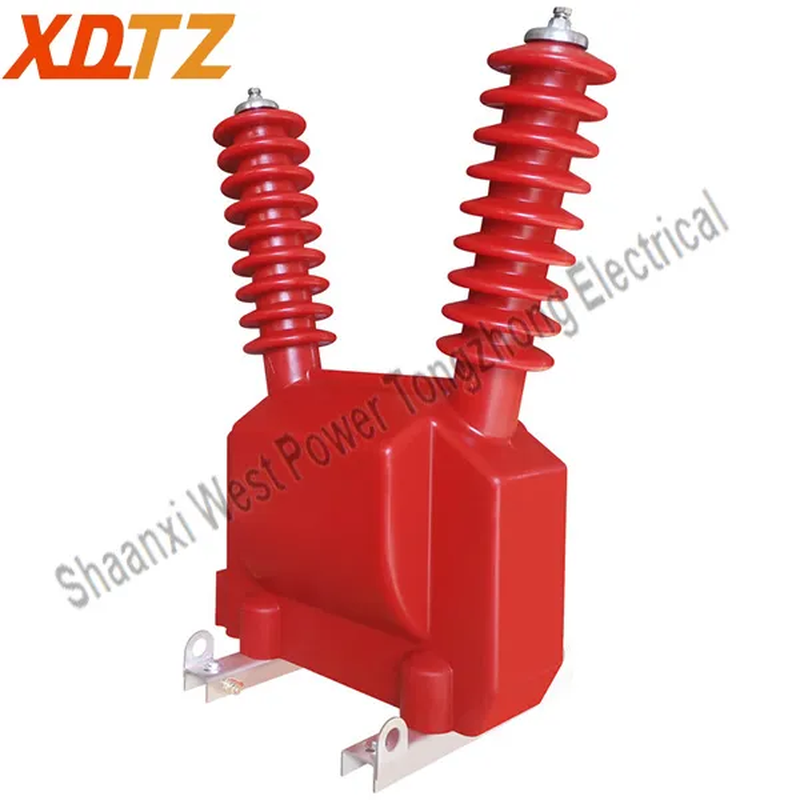
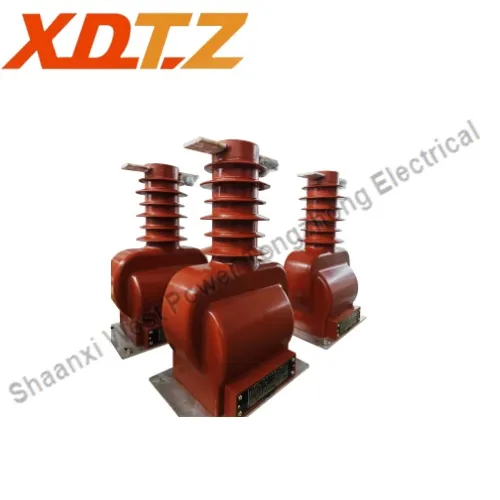
JDZW-35 voltage transformer can be used to measure, monitor and relay the voltage of incoming and outgoing lines.
It can accurately convert 35kV high voltage into low voltage, provide reliable voltage signals for various measuring instruments, protection devices and control systems in the substation, and ensure the safe and stable operation of the substation.
Our address
No. 1 East Gaoxin Avenue in the High-Tech Development Zone of Baoji City, Shaanxi Province, China
Phone Number
+86 180 9176 5658
xdtz03@westpowerelectric.com