
Power system depends on vacuum circuit breakers (VCBs) to function properly. The infrastructure acts as a protective layer for equipment while maintaining uninterrupted power supply to prevent catastrophic failures. The variety of vacuum circuit breakers in the market exists. Knowing the ratings and specifications of vacuum circuit breakers is important, especially for small and medium-sized businesses who want improved electrical systems at affordable costs.
Before we begin let us explore that vacuum circuit breakers are rated based on several key parameters: voltage, current, breaking capacity, and mechanical endurance. System reliability depends heavily on the ratings found within datasheets. Dangerous failures may occur when your system fault current exceeds the breaking capacity rating of a VCB. It's like using a garden hose to try to extinguish a forest fire. Not ideal.
Voltage Ratings: The Foundation
Voltage ratings define the maximum voltage a VCB can handle. For SMEs, this is often 12kV or 24kV, depending on your system's scale. But here's a pro tip: always choose a VCB with a voltage rating slightly higher than your system's operating voltage. Why? Because voltage spikes happen. And when they do, you'll want a breaker that can handle the surge without breaking a sweat.
Current Ratings: The Workhorse
Current ratings indicate the maximum current a VCB can carry continuously. A VCB that carries the 1250A rating operates safely at currents not exceeding 1250 amps. But don't just pick the highest rating available. The outcomes of choosing either over-sized or under-sized equipment include extra costs and overheating and premature failure respectively. When choosing equipment, just remember you need to fit into your needs.
Breaking Capacity: The Lifesaver
Breaking capacity is perhaps the most critical rating. It's the maximum fault current a VCB can interrupt safely. A short circuit sending a massive surge of current through your system. Insufficient breaking capacity in VCBs leads to failure during current interruption which results in equipment damage and even builds the risk of fire. Your VCB should have breaking capacity that is higher than the maximum expected fault current of your system. It's not just a safety measure-it's peace of mind.
Mechanical Endurance: The Long Haul
Mechanical endurance refers to the number of operations a VCB can perform before maintenance is required. For SMEs, this is a big deal. Frequent maintenance means downtime, and downtime means lost revenue. Look for VCBs with high mechanical endurance ratings-10,000 operations or more. These breakers are built to last, reducing maintenance costs and keeping your operations running smoothly.

Real-World Insights: The VTZ-12 VCB
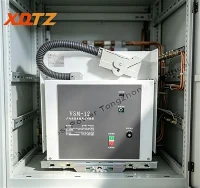
VTZ-12 vacuum circuit breaker (special model of Shaanxi West Power Tongzhong Electrical Co., Ltd.) is an indoor switchgear for rated voltage 12kV, AC 50/60Hz. Rated current ranges from 630A to 5000A. Rated short-circuit breaking circuits range from 25kA to 50kA. Mechanical Endurance is 30000 times. cdfdIt adopts a modular operating mechanism and is suitable for various industrial and mining enterprises, as well as power grid equipment. It can be used as a handcart unit for use with KYN28A-12 switchgear, or as a fixed unit with relevant mechanical interlocking, making it suitable for XGN2 and other fixed cabinets.
The Future of VCBs: Smart and Sustainable
The future of vacuum circuit breakers is smart and sustainable. Imagine VCBs that not only protect your system but also provide real-time data on energy usage, predict maintenance needs, and integrate seamlessly with renewable energy sources. This isn't science fiction-it's the direction the industry is heading. For SMEs, investing in advanced VCBs now means staying competitive tomorrow.
Final Thoughts
Choosing the right vacuum circuit breaker isn't just about ticking boxes on a spec sheet. It's about understanding your system's needs, anticipating future challenges, and making informed decisions. Whether it's voltage, current, breaking capacity, or mechanical endurance, every rating tells a story. And that story is the reliability and efficiency of your power system.
So, next time you're evaluating VCBs, don't just look at the numbers. Think about what they mean for your business. Because when it comes to power systems, the right choice isn't just an investment-it's insurance for your future.