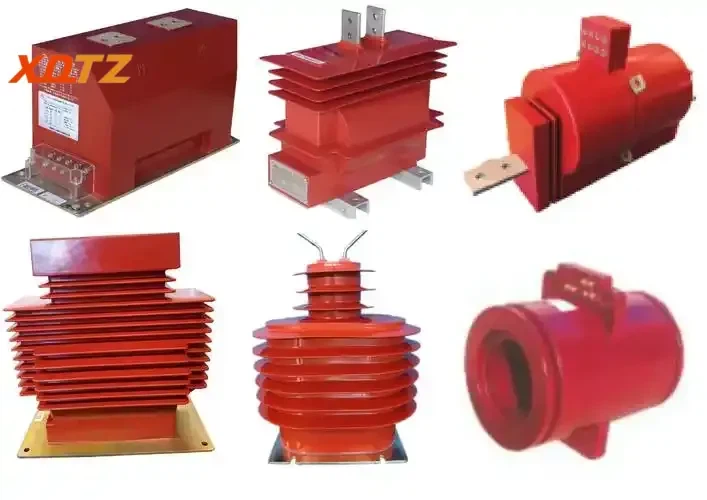

Regular maintenance and troubleshooting of current transformers are crucial for ensuring the safe and stable operation of power systems. This primarily entails routine maintenance tasks-such as periodic visual inspections, cleaning, and insulation testing-as well as the timely resolution of common faults-such as overheating, measurement inaccuracies, and open circuits on the secondary side-in order to eliminate potential safety hazards.
Routine Maintenance
To ensure the proper operation of the current transformer and extend its service life, the following maintenance measures should be implemented:
Regular Inspections: It is recommended to conduct a comprehensive inspection at least once annually. Inspection items include:
Appearance and Connections: Inspect external insulation components-such as the housing and porcelain bushings-to ensure they are clean and free from damage, cracks, or signs of electrical discharge. Verify that wiring terminals and lead connections are secure, and check for any signs of overheating, looseness, or broken strands.
Operational Status: Inspect the equipment using sensory observation-specifically by looking, listening, smelling, and touching. There should be no abnormal sounds (such as humming or crackling discharge noises), nor any odors of scorching, smoke emission, or signs of fire.
Oil Level and Sealing: For oil-filled transformers, verify that the oil level is within the normal range and check for any signs of oil leakage.
Secondary Side and Grounding: Inspect the secondary-side terminals to ensure proper contact and check for any open circuits or signs of electrical discharge; additionally, verify that the grounding wire is intact and securely fastened.
Cleaning and Maintenance: Periodically use a clean, soft cloth or brush to clean the exterior of the equipment-paying particular attention to removing dust and dirt from the wiring terminals and insulating components-while strictly avoiding the use of corrosive cleaning agents. For outdoor equipment, appropriate measures must be taken to protect against moisture and dust ingress.
Temperature Monitoring: Regularly monitor the operating temperature of the instrument transformer to ensure it remains within the specified limits. If any abnormal temperature readings are detected, the unit must be immediately taken out of service for inspection and repair.
Insulation Testing: Periodically measure the insulation resistance values to ensure compliance with established standards, thereby preventing accidents caused by insulation failure.
Maintenance Record-Keeping: Following each maintenance or servicing procedure, a detailed record should be created documenting the inspection date, specific items checked, results obtained, and any corrective actions taken, to facilitate the ongoing tracking of the equipment's operational status.
Regular Calibration: To ensure measurement accuracy, it is recommended to periodically commission a professional agency or follow the instructions in the user manual to perform calibration.
Common Troubleshooting
The following are several common types of faults associated with current transformers, along with their troubleshooting methods:
Failure to Operate or Inaccurate Measurements
Causes: May be caused by wiring errors, an open circuit in the secondary winding, damage to the iron core, insufficient load, a mismatch in rated current, or loose secondary wiring connections.
Remedy: First, inspect and correct the wiring to ensure that the secondary circuit is closed. Next, verify that the load falls within the transformer's operating range and that the rated current is appropriate; also, tighten any loose wiring terminals.
Overheating
Causes: Typically caused by excessive load current (overload) or prolonged operation of the transformer.
Remedy: Check whether the primary current remains within the permissible range; if an overload is detected, the load must be reduced accordingly. Additionally, avoid operating the equipment under overload conditions for extended periods.
Open Circuit in the Secondary Winding
Hazards: An open circuit in the secondary winding during operation can generate dangerously high voltages, thereby endangering both personnel and equipment safety. If poor contact or an open circuit is detected at the secondary terminals, the load must be disconnected immediately, and power to the unit must be cut off before proceeding with repairs.
Oil or Gas Leakage
Causes: Aging of sealing components, loose bolts, defective materials, etc.
Remedial Action: For minor leaks, attempt to tighten bolts or replace seals. If the oil leakage is severe-particularly in the event of an SF6 gas chamber leak-professional methods must be employed to seal the leak or replace components; additionally, the insulating oil should be replaced if necessary.
Discharge at the End Shield Grounding Device
Cause: Primarily due to an improper connection of the end shield grounding.
Remedial Action: Following installation or testing, a thorough inspection must be conducted to ensure that the end shield is reliably grounded.

Reliable Vacuum Circuit Breakers, Customized for Global Clients
Professional Technical&Sales Team | On-Time Delivery
12KV/24KV/40.5KV vacuum circuit breakers
Shaanxi West Power Tongzhong Electrical Co., Ltd.
Our address
No.1 East Gaoxin Avenue, High-tech Development Zone, Baoji City, Shaanxi Province, China
Phone Number
+86 18091767067(WhatsApp/Wechat/Telegram)